Fort Worth Polyaspartic Coatings
Polyaspartic is the topcoat that decides whether a Fort Worth floor lasts or fails. UV-stable, temperature-tolerant, and fast-curing, it is exactly what a hot North Texas slab demands, and it goes over every Sherwoods Eternal Foundation system we install. If your existing floor just needs a fresh protective layer, we handle standalone polyaspartic recoats too, timed around the Fort Worth cure window so the finish sets right.
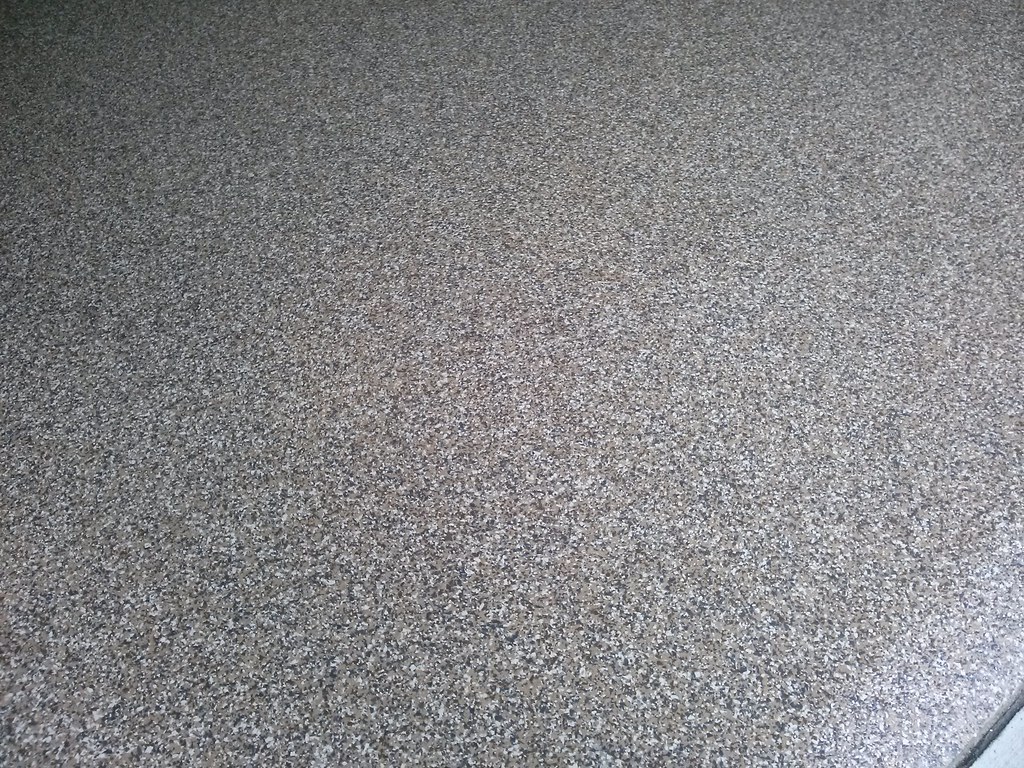
Polyaspartic Coatings in Fort Worth
Polyaspartic is a polyurea chemistry that beats standard epoxy in the two ways that matter most in Fort Worth: UV stability and temperature tolerance. Through a Fort Worth summer, a standard epoxy topcoat can yellow, blush, or soften under direct sun and relentless heat cycling. Polyaspartic does not. It stays clear, stays hard, and stays bonded through year after year of Texas conditions, which is precisely why it is our default topcoat here.
Every SEF floor system carries polyaspartic as its topcoat layer. It gives the flake and metallic systems their final sheen and their durability. We also apply standalone polyaspartic over existing sound floors that just need a protective upgrade rather than a full teardown, a common ask from Fort Worth homeowners whose older coating is worn on the surface but structurally fine underneath.
Cure time is faster than epoxy, which is a real advantage on a hot Fort Worth slab. Foot traffic returns within a few hours, full cure in a day or two depending on temperature and humidity. For a commercial space that cannot stay closed for days, or a homeowner who wants the garage back fast, that speed is the whole point, and it pairs perfectly with our hot-slab scheduling discipline.
It is worth being clear about what polyaspartic is and is not. It is a topcoat, not a whole-floor system on its own. Its job is protection and finish: the clarity, the sheen, the abrasion resistance, and the UV and heat stability that keep a Fort Worth floor looking new. The durability of the overall floor still depends on what is underneath it, which is why we never treat a polyaspartic topcoat as a way to skip prep. Over a properly ground and primed slab it is the finishing move that makes a great floor last. Sprayed over a failing base as a shortcut, it just buys a few months before the whole thing lets go together.
Why Polyaspartic Over Standard Epoxy Topcoat in Fort Worth
Standard epoxy topcoats were the industry default before polyaspartic chemistry matured. They work, but they carry known failure modes, and Fort Worth triggers all of them: UV yellowing in sunlit garages, thermal-shock stress in spaces that swing from cool morning to baking afternoon, and slower cure times that stretch a project across days you would rather not lose. Polyaspartic answers all three. It is not an upgrade for its own sake here. It is simply the better-fit material for a hot North Texas slab.
Standalone Recoat or Full System?
If your existing Fort Worth floor is delaminating, peeling, or compromised at the base, a recoat will not hold and we will tell you so. A full grind, reprime, and recoat is the only path there. But if the existing floor is structurally sound and simply worn on the surface, a standalone polyaspartic recoat is a straightforward way to add years of service life without tearing everything out. On the clay under Fort Worth slabs, that honest read matters, because throwing a topcoat at a failing floor just delays the real fix.
Cody evaluates the existing floor on-site before recommending anything. Timing the recoat around the summer hot-slab window is part of that, because even a fast-curing polyaspartic needs to set in the right thermal range to bond the way it should. We will tell you straight whether a recoat is the right call or whether the floor needs a full system.
The hot-slab discipline is not a minor detail on a polyaspartic job. It is the single thing that most separates a topcoat that holds from one that fails early, because polyaspartic cures fast and heat pushes that cure faster still. On a Fort Worth slab that has been soaking up July sun, the topcoat can start setting before it has fully wetted out and bonded to the layer beneath, which leaves poor adhesion, an uneven finish, or trapped air showing as pinholes. None of that is the product’s fault. It is timing, and timing is a choice the installer makes. Cody checks the slab temperature itself rather than trusting the forecast, and holds off when the numbers are wrong, so the topcoat sets in the range it needs.
Beyond garages, polyaspartic earns its place across a lot of Fort Worth concrete precisely because it handles sun and heat that would degrade a standard finish. Covered patios, pool decks, and semi-outdoor spaces stay clear and stable under UV exposure that yellows and chalks bare epoxy. Commercial floors that cannot afford days of downtime get back in service fast. And any residential floor in a west-facing space with hard afternoon sun holds its finish far longer with a polyaspartic topcoat than without one. It is the same chemistry doing the same job in every case: shrugging off the North Texas conditions that wear other coatings out.
Fort Worth polyaspartic coatings.
Send photos and we will tell you whether a recoat is the right call or whether the floor needs a full system.
Where Polyaspartic Fits Across a Fort Worth Property
Polyaspartic is not just a garage topcoat. Its UV stability and heat tolerance make it a strong fit almost anywhere a Fort Worth surface takes sun, load, or both. Covered patios and pool decks stay clear and stable under exposure that yellows and chalks bare epoxy within a season. Semi-outdoor concrete around an entertaining space holds its finish through the same afternoon sun that would degrade a lesser coating. A west-facing garage or shop with hard afternoon light keeps its color far longer with polyaspartic than without it. And commercial floors that cannot afford days of downtime get back in service fast because the chemistry cures in hours rather than days. It is the same material doing the same job in each case: shrugging off the North Texas conditions that wear other finishes out.
Because a single property often has several of these surfaces, Cody frequently sequences a polyaspartic project across a garage, a patio, and a pool deck in one coordinated visit when the surfaces are sound and the scheduling allows. Each surface gets its own honest read first, since an outdoor slab may need different crack detailing or prep than an enclosed garage, and then the pours get ordered so each one lands in the right thermal window. That planning is the same hot-slab discipline applied across a whole property, and it is what lets a homeowner upgrade multiple surfaces at once without any of them being rushed onto concrete that was too hot to bond.
Fort Worth Polyaspartic Coatings FAQ
Why is polyaspartic better for Fort Worth summers?
Fort Worth slabs bake in the summer, and a standard epoxy topcoat softens, yellows, and grabs hot tires under that heat. Polyaspartic is UV-stable and temperature-tolerant, so it stays clear and hard through the worst of the season. It is the right topcoat for a hot North Texas slab, not just a nicer one.
How does hot-slab timing affect a polyaspartic install?
Even though polyaspartic cures fast, it still needs to set in the right thermal window. On hot Fort Worth days we schedule around the slab temperature, often starting early, so the topcoat bonds properly instead of flashing off a slab that is too hot. That timing is exactly why our topcoats hold.
Can polyaspartic go over my existing epoxy floor?
Yes, if the existing floor is sound and well-bonded. Peeling or delaminating floors have to be ground down and reprimed before any topcoat will hold. Cody checks the bond on-site before recommending a recoat over a full system.
How quickly can I use the floor after polyaspartic?
Light foot traffic within a few hours. Full vehicle use within a day or two depending on temperature and humidity during installation. In Fort Worth those numbers move with the weather, and we confirm the timing for your specific install day.
Does polyaspartic work in outdoor Fort Worth spaces?
Yes. Its UV stability makes it a strong fit for covered patios, pool decks, and other semi-outdoor Fort Worth concrete where standard epoxy would degrade quickly in the sun and heat.
Is polyaspartic a complete floor by itself?
No, and that distinction matters. Polyaspartic is a topcoat: it delivers the clarity, sheen, abrasion resistance, and UV and heat stability, but the durability of the whole floor still depends on the ground and primed slab underneath. Over proper prep it is the finishing move that makes a floor last. Sprayed over a failing base as a shortcut, it only delays the failure. We never use it to skip prep.
How long does a polyaspartic finish last in Fort Worth?
Over a properly prepped floor, a polyaspartic topcoat holds up for well over a decade through North Texas heat cycling and UV exposure, with the surface layer being the part that eventually shows wear in high-traffic lanes. When that day comes, a worn topcoat on a sound floor can be recoated without tearing the whole system out, which is one of the practical advantages of building it right the first time.
Can polyaspartic go over a garage, patio, and pool deck in one visit?
Often, yes, if the surfaces are all sound and the scheduling works. Polyaspartic suits garages, covered patios, and pool decks alike because its UV and heat stability handle both indoor and semi-outdoor Fort Worth concrete. Cody evaluates each surface on-site, since an outdoor slab may need different prep or crack detailing than a garage, then sequences the work so the pours land in the right thermal windows.
Other Fort Worth Epoxy Services
View all Fort Worth, TX services · See our work · Get a look at options
Service Area: Fort Worth, TX
We apply polyaspartic coatings throughout Fort Worth and across Tarrant County, including the west side, the Alliance corridor, the Stockyards district, and nearby communities like Hurst, Bedford, Euless, and Grapevine.